
“We Don't Want Your Baton”: Rethinking How We Release Workers & Leaders for Urban Mission
By S. Crawley
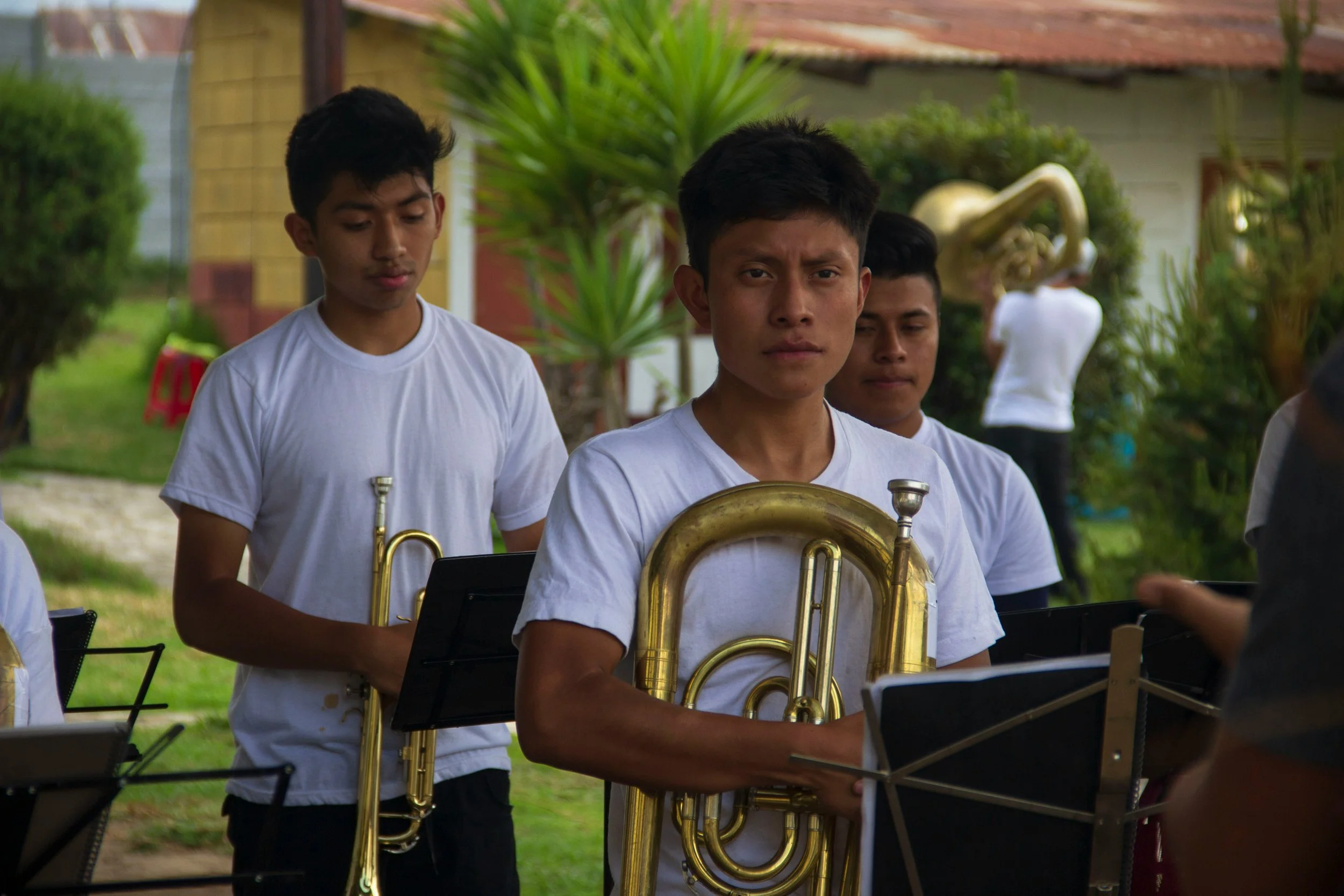
Photo by Melanie Alvarado on Unsplash
The young leader was emphatic as she spoke.
"I keep hearing older people saying that they want to 'pass the baton' to the next generation, but I feel like saying, 'We don't want your baton!'. What we do need is the encouragement and support of older leaders as we pursue the new things God is birthing in us."
Her words speak to a truth that is relevant anywhere God calls us to serve - whether that's between generations, across nations, or across areas and groups within our own cities.
God is already on the move, and He has sons and daughters who are listening to Him as He stirs fresh vision and hunger for their cities and communities.
Gone are the days of the outside expert riding into town with their cowboy hat and 3-point blueprint for guaranteed Kingdom growth (did those days ever really exist?).
Our team is seeing the power and fruitfulness of a coaching approach that is catalytic and collaborative rather than top-down and directive.
Here are three closely related coaching principles that help us serve leaders in a way that increases fruitfulness :
1. The engine is already running
One of the most encouraging discoveries in our work across different cities has been this: in almost every context, the engine is already running. God has already been stirring hearts, depositing vision, creating hunger for transformation.
People aren't sitting around waiting for outsiders to come tell them what their city needs. They're already carrying profound burdens. They're already taking steps. They're already seeing possibilities.
What they often need isn't new vision—it's help processing the vision they already have.
What helps these leaders is different questions that help them see new possibilities with what is already available to them. Frameworks that help them integrate the Kingdom-oriented action with the extreme complexity facing them in their harvest field. Opportunities to learn from peers who are asking similar questions in other harvest fields.
The fire is already burning - we don't need to start it or steer it! We make our best contribution by coming alongside as fellow learners and sharing what we have to help it burn brighter and spread further.
2. Complexity demands humility
One of the most challenging aspects of coaching urban leaders is the complexity of huge cultural and language differences We might be 'experts' in our own context, but when we approach other spaces, "we don't know what we don't know"—failing to acknowledge that knowledge gap can be more destructive than we realise.
It’s vital to acknowledge this, and recognise that, as outside leaders, the puzzle pieces Jesus is asking us to contribute will be insufficient without the perspective, local knowledge and calling of the inside leaders.
These dynamics are equally relevant serving across different affinities within a city, and serving across different nations.
The teams we work with operate in contexts ranging from highly restricted environments to open societies where the challenge is apathy rather than opposition. Some teams are working in cities where Jesus-followers are a tiny minority, others where Christian culture is common but living as active disciples is rare.
Effective coaching in these contexts requires deep humility and careful listening. We can't assume approaches working in one cultural context will translate directly to another. We can't impose Western organizational models on Eastern relational cultures, or urban strategies designed for open societies on more restricted contexts.
What we have found is that while methods vary dramatically across cultures, core principles often transcend cultural boundaries. The way the Father builds His Kingdom and involves His children, the challenges and damage that come with human brokenness, the need for sustainable discipleship that replicates naturally—these are universal.
We can have a more effective and longer-lasting impact by helping people wrestle with how universal kingdom principles might look in their specific contexts.
Our experience and curiosity allow us to ask good questions, which lead to learning that enriches us and those we serve. Everyone wins!
3. The “sons and daughters” principle
Perhaps the most important foundation for effective urban leadership coaching is what we call the "sons and daughters principle."
The leaders we work with aren't our projects or our trainees. They're sons and daughters of the soil where God has placed them. They understand their contexts in ways we never will. They speak languages we don't know, navigate relationships we can't access, and carry cultural intuition that can't be taught.
This means our posture should always be learner-servant rather than expert-teacher. We come with certain resources—frameworks, questions, connections, encouragement—but we come as servants of a vision that's already been deposited in the local community.
This insight helps us lean into a posture of humble service.
What is God doing? What don't I understand about this context? What are my blindspots?
Those God has planted in the local soil are sons and daughters. As outsiders, we are servants, regardless of what resources the Father has placed in our hands to contribute. The way we serve should reflect this.
What difference does it make?
When these guide our service, several things happen :
Trust Builds Quickly:
Leaders can sense whether we're trying to use them to fulfill our vision or serve them to fulfill theirs. Partnership flows naturally when they recognize that we're genuinely committed to their success rather than our programs.
Local Ownership Increases:
This approach relies on local leadership and decision-making capacity from the beginning, and guards against dependency on external expertise.
Cultural Appropriateness Improves:
Inside leaders intuitively develop approaches that fit their specific cultural and social realities rather than importing less appropriate solutions from other contexts. As a result, the local community sees and experiences Jesus in ways they can recognise, and discipleship is more accessible to them.
Sustainability Emerges:
Movements that emerge from local vision and local leadership are much more likely to continue and expand compared to initiatives that depend on external energy and resources.
A Different Kind of Invitation
The young leader's words show the limitations of the relay race metaphor.
Perhaps, instead of passing a baton, we're invited into something more like a symphony. Different instruments, different voices, different musicians—each bringing their unique sound, each essential, each responding to the same Conductor in their own contexts.
The question isn't whether we have something to offer across contexts and generations.
The question is whether we can offer it with the humility of servants and the curiosity of learners, honoring what God has already planted and nurtured in the hearts of His sons and daughters wherever He's placed them.
Getting Practical
As you think about God's vision for your city and/or affinity group:
1. Which of these three principles—the engine is already running, complexity demands humility, or the sons and daughters principle—challenges your current approach most? Why?
2. What "we don't know what we don't know" blind spots might you have when it comes to different affinities or generations in your city? Who could help you see more clearly?
3. Who in your city is working across different cultural, generational, or affinity contexts? What could you learn from spending time with them as a fellow learner?
Discipling the Urban Harvest provides practical insights and encouragement to walk with God in multiplying discipleship in an increasingly urban world - growing as children of the Father, serving the communities He has called us to, and discipling those hungry to know Him.